
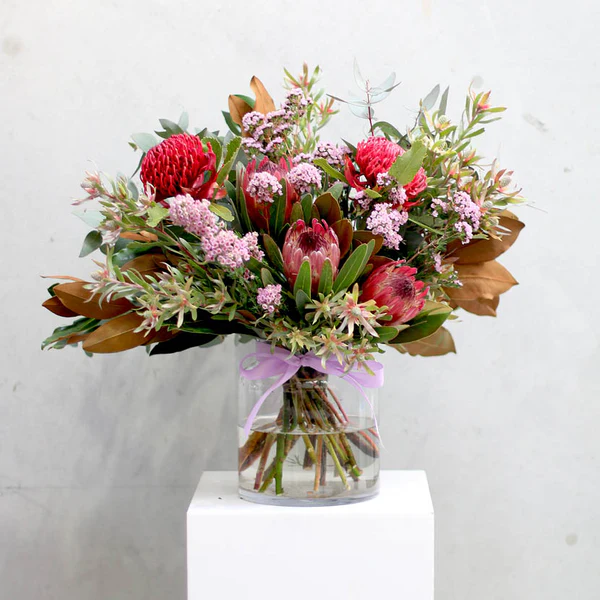
Photo by Bouquet Melbourne
Have you ever wanted to spoil someone special with flowers, only to discover that they have a pollen allergy? Or is your own pollen allergy keeping you from including beautiful bouquets in your wedding plans? The good news is that allergies and sensitivities to flowers and plants in general don’t have to mean you can’t also enjoy the beauty of your favourite blooms.
Ever heard of hypoallergenic blooms? Anyone with flower or pollen sensitivities may be sceptical about believing that there are blooms out there that you can enjoy without getting ill. Fortunately, finding a bouquet made up of these blooms is as easy as placing an order with the florist Port Melbourne locals rely on for all occasions. Keep reading as we explore the concept of hypoallergenic blooms and share the most popular examples.
Understanding What Causes Flower and Plant Allergies
For some people, even the briefest scent of flowers sends them into a sneezing frenzy. The primary reason for this stems from pollens, or tiny grains found in plants. These particles are required for normal plant fertilisation and lie loosely on the flowers as they need to be moved by wind in the pollination process.
When wind pollination happens, airborne pollen can easily be inhaled, which then triggers an allergic reaction. In addition to pollen particles, some plants also contain proteins or sap that can be allergenic. By touching these plants, a person with allergies could develop rashes or skin irritations.
Fortunately, some plants don’t rely on wind pollination to reproduce. Blossoms such as roses are pollinated by insects, which means their pollen is heavier and less likely to blow around in the wind. These blooms are often the preferred choice for anyone triggered by wind-borne pollen.
Recognising a Flower Allergy
As with most things in life, you won’t know you’re allergic until you have a bad reaction after coming in contact with the item. With this in mind, the best way to assess whether you have a plant allergy is to check how your body reacts to contact with specific plants.
The common symptoms that will quickly let you know that you have a plant or flower sensitivity include the following:
- Nasal congestion
- Runny nose
- Sneezing
- Skin rashes
- Itchy eyes
If you experience these symptoms, it’s a good idea to speak to your medical practitioner for a comprehensive allergy test. This will pinpoint the exact allergies, allowing you to know which plants and blooms to avoid.
Hypoallergenic Options to Consider
As we’ve already mentioned, there’s no need to be excluded from enjoying the beauty of floral bouquets. Some plants are regarded as hypoallergenic, which means they produce little to no pollen or the pollen particles are too big to become airborne. Our team of florists have compiled a list of the top hypoallergenic blooms that you can consider.
- Roses
As one of the more popular bouquet blooms for any occasion, you’ll be happy to learn that these beautiful flowers are hypoallergenic. This has to do with significantly large pollen grains. More good news is that cultivated varieties don’t produce pollen at all. With a wide range of colours on offer, you can easily make a stunning bouquet for any occasion.
- Geraniums
These vibrant plants are a popular choice in bouquets because they have stunning colour variations. Since their pollen isn’t airborne, there’s less chance of them aggravating your allergies.
- Iris
If you’re looking for blooms with purple or lavender hues, then look no further than the beautiful irises. Not only do these plants have low pollen production, but their unique design keeps the pollen inside the plant.
- Proteas
Another beautiful bloom to consider is the protea, which, along with many other native blooms, is pollinated by insects and birds. The most common colours available include red, pink, white, and yellow. They are also easily mixed with greens and other native flowers to make a truly local bouquet.
- Snapdragons
These uniquely shaped dragon-mouthed blooms are not only stunning to look at but also don’t release pollen easily. Another huge advantage of snapdragons is that they boast a long blooming season, which means they provide beauty and colour for an extended period.
- Tulips
Some plants may be safe for people with respiratory allergies, but may cause a rash. Tulips are among these types of flowers. This is because tulips have a sap on the petals that can cause skin irritation.
Commonly referred to as “tulip fingers”, the rash is labelled as contact dermatitis, and you can treat it with a topical cream. If you have this type of sensitivity, always use gloves when handling your tulips.
Final Thoughts
Hypoallergenic plants and flowers make it possible for anyone with allergies to enjoy a bouquet of blooms without having an allergic episode. If you’re planning a bouquet for someone special, be sure to confirm whether or not they have an allergy.
As a failsafe, always speak to your florist for a bouquet made up of hypoallergenic blooms. With so many colours on offer, you’ll still be left with a stunning bouquet!