
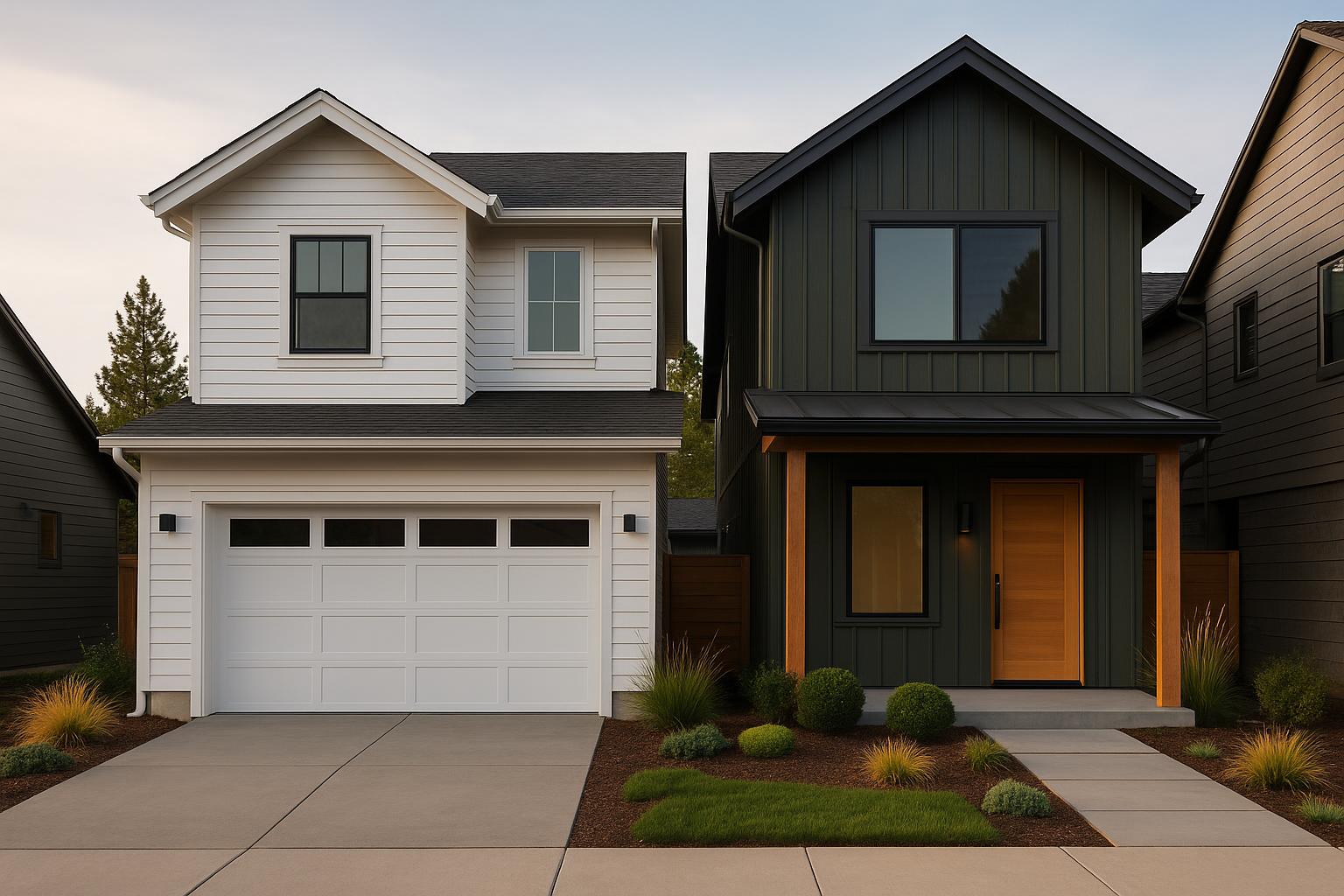
As we head into 2026, exterior design continues to evolve, influenced by innovative materials, smarter technology and changing lifestyles. Whether you are redesigning your garden, overhauling your home’s façade, improving a commercial frontage or planning a new outdoor living area, it is essential to be aware of what is trending. Outdoor space is no longer an afterthought; it has become a vital part of our homes and businesses, extending living spaces, improving kerb appeal and enhancing our connection to nature. In this blog post, we explore the top trends in exterior design for 2026, from sustainable materials to smart outdoor features.
1. Sustainable and Eco-Friendly Materials
In 2026, sustainability is no longer just a buzzword; it is a design philosophy shaping the way we approach exterior design. Homeowners and businesses are becoming increasingly mindful of their environmental impact, and this is reflected in the materials they choose for outdoor spaces. As we embrace a more sustainable future, expect eco-friendly materials to remain central to modern exterior design.
One key aspect of this trend is the move towards recycled and renewable materials. For example, composite decking has become an increasingly popular alternative to traditional timber decking. Made from a blend of recycled wood fibres and plastic, composite decking reduces the need for virgin timber, making it a more sustainable option. Its durability and low maintenance also mean it has a longer lifespan, which reduces the need for replacements and further conserves resources.
There is also growing demand for natural stone, reclaimed brick, responsibly sourced timber and permeable paving. These materials not only look great but can also help reduce the carbon footprint of construction projects. In 2026, the best exterior designs will balance visual appeal with long-term performance and environmental responsibility.
2. The Rise of Biophilic Design
Biophilic design, which focuses on integrating nature into architectural and interior spaces, continues to grow in popularity in 2026. In exterior design, this trend appears in various ways, from living green walls to roof gardens and the use of natural materials such as timber, stone and clay. The aim is to create outdoor spaces that feel restorative, healthy and connected to the surrounding landscape.
Green roofs are becoming a popular choice for homeowners looking to combine aesthetics with environmental benefits. These living roofs provide insulation, reduce stormwater runoff and promote biodiversity, making them ideal for urban areas where green space is limited. They can also soften the appearance of contemporary buildings and help them blend more naturally into their setting.
In addition to green roofs, biophilic design incorporates planting schemes that use native plants, which are better adapted to the local climate and require less water and maintenance. By integrating planting into the exterior of your home, you create a healthier, more sustainable living environment while enhancing the aesthetic appeal of your outdoor space.
3. Composite Decking, Cladding, and Fencing: The Modern Alternative
In 2026, composite materials are taking over the exterior design world, especially in decking, cladding and fencing. As mentioned earlier, composite decking is an eco-friendly alternative to traditional wood, but its popularity has also been driven by its low maintenance and long lifespan. Unlike timber decking, composite boards do not require regular sanding, sealing or staining, making them an ideal choice for homeowners who want to spend less time on upkeep.
Composite cladding is also gaining traction as a more durable and weather-resistant alternative to timber cladding. It offers a sleek, modern finish and can be used to enhance both contemporary and traditional homes. Available in a range of colours and finishes, composite cladding allows homeowners to achieve a high-end look without compromising on durability.
Similarly, composite fencing has become a go-to choice for homeowners seeking privacy and security without the hassle of regular maintenance. Unlike traditional timber fences, which can warp, rot or fade over time, composite fences are resistant to many of these issues, ensuring they remain functional and attractive for years to come. With options for different styles and finishes, composite fencing provides a contemporary solution that blends seamlessly into most outdoor settings.
4. Outdoor Living Spaces
One of the biggest shifts in exterior design in recent years is the rise of outdoor living spaces. As more people look to make the most of their gardens, patios and terraces, creating spaces that are both functional and comfortable has become a top priority. In 2026, expect to see more homeowners investing in fully equipped outdoor kitchens, lounges and even garden offices.
An outdoor kitchen is now a must-have for many homeowners, offering the perfect space for cooking and entertaining while enjoying the fresh air. This year, expect to see sleek, modern outdoor kitchens featuring durable materials such as stainless steel, granite and stone. These kitchens are equipped with everything from built-in grills to fridges and sinks, ensuring that you have everything you need to cook and socialise outdoors.
Outdoor lounges are also becoming more sophisticated, with comfortable furniture, ambient lighting, pergolas and fire pits becoming staples of contemporary gardens. Whether you are enjoying a quiet evening under the stars or hosting a gathering with friends, outdoor lounges are designed to provide a relaxing, versatile space for all occasions.
5. Smart Outdoor Features
As the world becomes increasingly connected, it is no surprise that smart technology is making its way into outdoor spaces. In 2026, expect to see more smart features designed to enhance convenience, security and energy efficiency. The most effective additions are practical and discreet, helping outdoor areas work better without making them feel overly complicated.
Smart lighting is one of the most popular innovations, allowing homeowners to control the mood of their garden or patio with a tap on a smartphone. Whether brightening a pathway or creating an ambient glow for a dinner party, smart lighting provides flexibility and control. Motion sensors and timers can also reduce energy use while improving safety around entrances, steps and driveways.
In addition to lighting, smart irrigation systems are becoming more common in gardens and landscapes. These systems use weather data and soil moisture sensors to optimise watering, reducing water waste and promoting healthier plants. Homeowners are also embracing smart security features, such as cameras, motion sensors and automated gates, to enhance the safety of their properties.
Smart features are also influencing commercial exterior design. Digital signage can help shops, restaurants and venues update information quickly, promote offers and guide visitors, while efficient hand dryers can support cleaner, lower-maintenance washroom facilities in outdoor leisure, hospitality and public-facing environments.
6. Minimalism and Clean Lines
The minimalist aesthetic continues to dominate exterior design, with a focus on clean lines, neutral colours and uncluttered spaces. In 2026, homeowners are moving away from overly ornate designs and opting for more streamlined, modern looks. This does not mean outdoor spaces should feel empty; rather, the focus is on choosing fewer elements more carefully.
This trend is evident in the growing popularity of simple geometric shapes in outdoor furniture and hardscaping elements. Think clean, angular lines in everything from benches and planters to garden walls. Minimalist colour schemes, such as muted greys, whites, blacks and soft greens, are also on the rise, helping create a sophisticated, timeless look that blends seamlessly with the natural environment.
The minimalist approach extends to landscaping as well. In place of complex, overgrown gardens, homeowners are opting for simple, low-maintenance planting schemes with a focus on form and texture rather than constant colour. This approach reduces the need for regular upkeep while creating a calm, serene environment for relaxation.
7. Darker, Moody Exteriors
In 2026, darker hues are making a comeback in exterior design. From deep navy blues to charcoal greys and soft blacks, homeowners are opting for moodier, more dramatic colour palettes for their exteriors. These darker shades provide a striking contrast to natural surroundings and create a sense of sophistication and elegance.
Darker tones are particularly popular for cladding and fencing, with composite materials offering a sleek, modern finish that complements these bold colours. Whether used as an accent or the main colour scheme, dark hues are making a confident statement in exterior design. They also pair beautifully with warm lighting, natural stone and layered planting.
For commercial buildings, pubs, restaurants and heritage properties, darker exterior palettes can also work well alongside traditional signage. Carefully designed signs can add character and visibility while still feeling refined, especially when paired with contemporary lighting and restrained materials.
Conclusion
As we move through 2026, exterior design is all about creating spaces that are functional, sustainable and in tune with nature. From the rise of composite materials in decking, cladding and fencing to the growing trend for outdoor living spaces, smart technology and biophilic planting, the key to modern exterior design lies in simplicity, durability and a strong connection to the natural world.
By embracing these trends, you can ensure that your outdoor space remains stylish, practical and eco-friendly for years to come. Whether you are updating a family garden, improving a business exterior or planning a full property renovation, thoughtful exterior design will help create spaces that look better, last longer and support the way people live, work and relax outdoors.