
PBTT Corp has operated as a Newburgh, Indiana, manufacturing company since 2013, building a reputation for sustainable manufacturing, clean technology, and employee safety across the aerospace, automotive, defense, and energy industries. PBTT Corp delivers vertically integrated solutions including multi-axis machining, finishing, and heat treatment of proprietary materials, supported by automated loading and inspection systems that improve repeatability and lower costs. Its manufacturing project managers bring extensive knowledge of NANOFORM processes, along with services such as metal injection molding, cast forging, die casting, conversion coating, and anodizing. The company has expanded significantly into aerospace, an industry that grew at nearly 4 percent annually between 2018 and 2025, while maintaining a culture built on professional integrity, employee welfare, and ongoing training. That same commitment to clean, sustainable manufacturing processes connects directly to the broader clean technology movement reshaping industries worldwide.
Clean tech, or clean technology, is a term that describes products, services, and processes designed to eliminate or minimize negative environmental impact. Clean tech exists as a means of optimizing resource management and reducing global greenhouse gas emissions, while at the same time providing healthy financial returns for businesses and investors. The term “clean tech” is often used interchangeably with “green tech,” which is also known as “envirotech,” or environmental technology.
While clean tech and green tech share some similarities, there are also key differences. Clean tech emphasizes scalability and consists of numerous commercial products driven by market demand. Various clean tech systems exist to replace outdated legacy industries and platforms, such as fossil fuels and heavy manufacturing.
The potential of green tech, by comparison, is often dictated by regulatory restrictions, and technology development is sometimes limited by regulations that are years or even decades old. Green tech rarely allows for widespread economic innovation, and instead focuses on cleanup and remediation, such as waste containment strategies and tools.
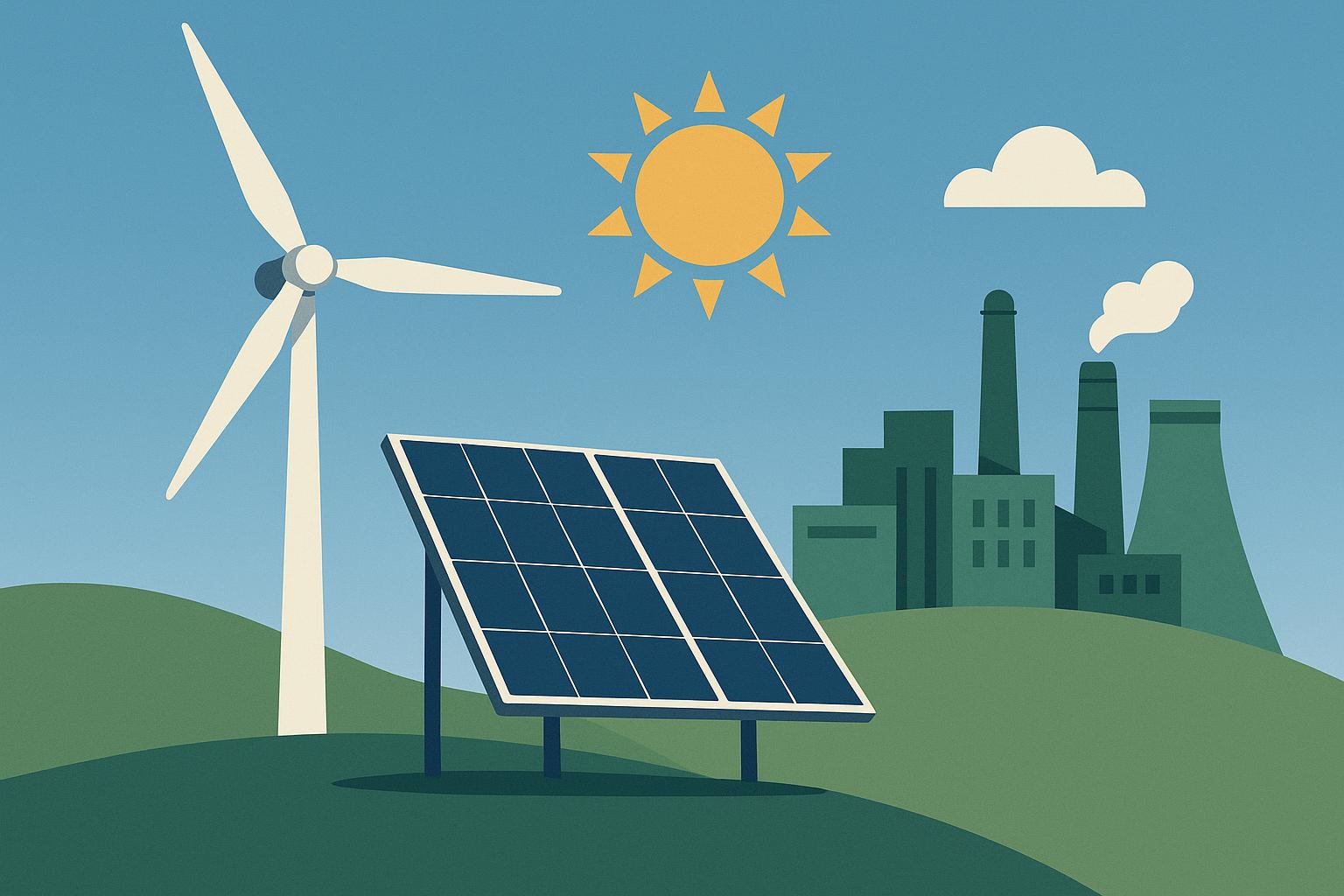
Clean tech has shaped many industries, perhaps the energy and power sector most of all. Solar panels, for example, allow for the conversion of the sun’s energy into usable electricity. According to the Solar Energy Industries Association, the United States has installed more than six million solar installations.
This represents an increase of more than one million installations in just two years. Despite the ongoing proliferation of solar panels in the US, wind turbines are even more impactful as a source of renewable energy. Wind turbines account for more than 10 percent of the nation’s electricity generation, while photovoltaic and solar thermal energy combine for approximately 4 percent.
Green hydrogen is a unique type of clean tech. A clean fuel, green hydrogen is produced by splitting water into hydrogen and oxygen via renewable electricity, which is often produced through wind and solar power. This process, known as electrolysis, creates no carbon emissions.
Long-duration energy storage (LDES) is another emerging sector of the clean energy and power industry. According to Cleantech Group, battery and storage developers in this field can store energy for up to 12 hours, meaning batteries can absorb energy when prices are low, then distribute surplus energy when demand, and prices, spike.
The energy and power sector is far from the only industry investing in the future of clean tech. Clean tech is critically important in the transport industry, which produces up to nine billion metric tons of carbon dioxide each year, or about 20 percent of all global greenhouse gas emissions. Clean tech has championed progress in this arena in the form of electric vehicles (EVs) and improved charging infrastructure.
EVs have become far more prevalent in recent years; according to POLITICO, EVs make up nearly 30 percent of new cars sold globally.
Water and waste is another global segment driven by clean tech improvements. Examples include technology for advanced water purification, automated waste sorting, and recycling systems. Germany is a world leader in this regard, with a municipal recycling and recovery rate of almost 69 percent, according to the European Environment Agency, compared to a European Union average of 47.9 percent.
Finally, clean tech advances in agriculture range from regenerative farming practices to smart drip irrigation techniques. Clean tech pioneers have also developed a range of biofertilizers. Agriculture specifically accounts for about 12 percent of global greenhouse gas emissions, but broader agrifood systems increase this total to more than 30 percent, per the Food and Agriculture Organization.
About PBTT Corp
PBTT Corp is a manufacturing company based in Newburgh, Indiana, established in 2013 with a focus on sustainable manufacturing, clean technology, and employee safety. The company provides vertically integrated services, including machining, finishing, heat treatment, metal injection molding, and die casting, for clients in the aerospace, automotive, defense, and energy industries. PBTT Corp maintains a culture rooted in professional integrity, open communication, and employee training, while continuing to expand its footprint in the growing aerospace sector.