
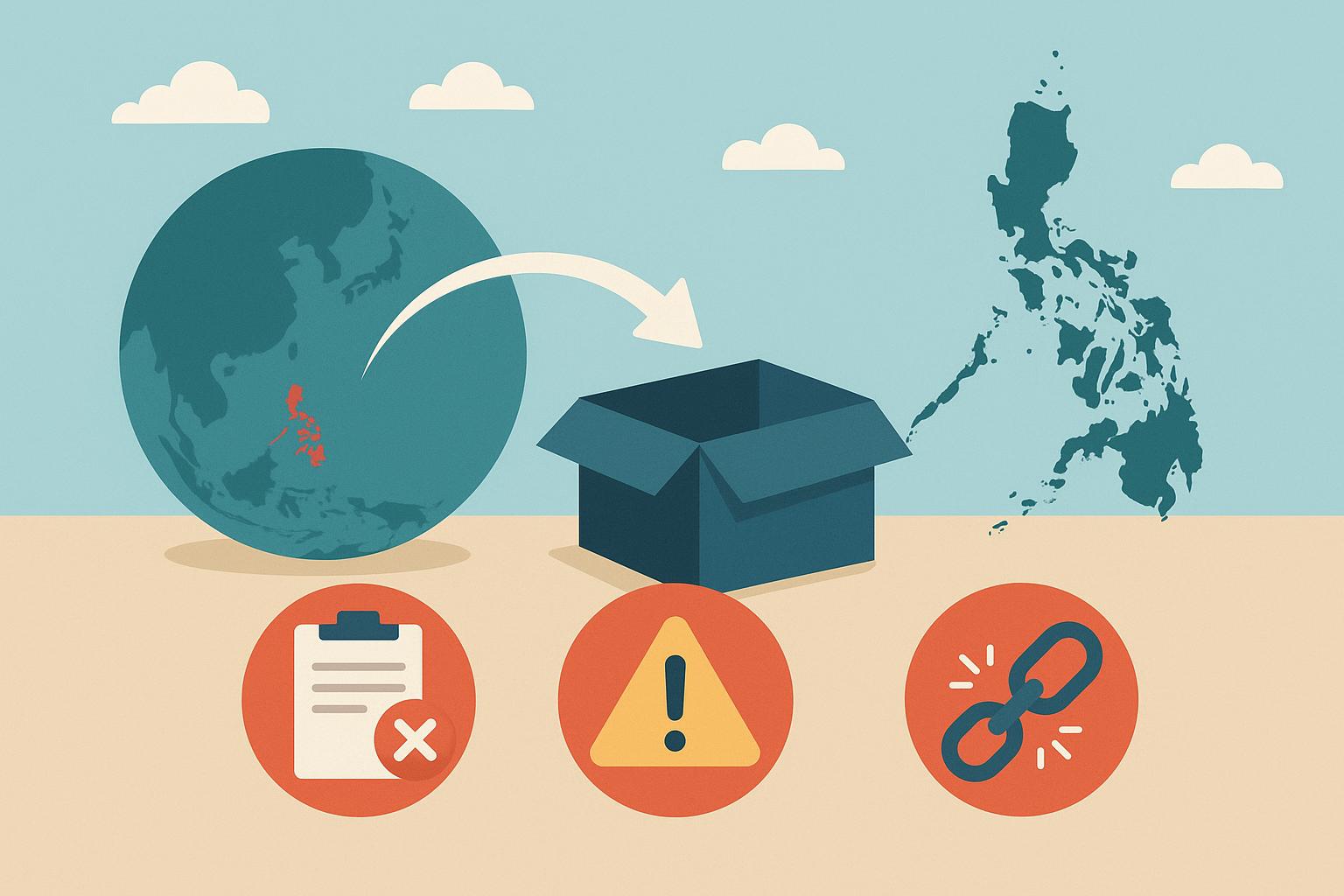
Businesses around the world continue to outsource Philippines operations because of its skilled workforce, strong English proficiency, competitive labor costs, and customer-service culture. From startups to established enterprises, companies rely on Filipino professionals for customer support, virtual assistance, IT services, accounting, and back-office tasks.
At the same time, success is not automatic. Many companies make avoidable mistakes that reduce productivity, increase costs, and create communication issues. Whether you are hiring your first remote employee or building a full offshore team, understanding these challenges can help you get better results.
This guide covers the most common mistakes to avoid when outsourcing to the Philippines and how to build a successful long-term partnership.
1. Choosing Price Over Quality
One of the biggest mistakes businesses make is selecting a provider based only on the lowest rate. While cost savings are a major reason companies outsource Philippines teams, focusing only on cheap pricing often leads to poor performance, missed deadlines, and higher turnover.
Instead of choosing the lowest bidder, evaluate:
- Skills and experience
- Industry knowledge
- Communication ability
- Reliability and references
- Quality control systems
A slightly higher investment in the right team often delivers stronger ROI over time.
2. Not Defining Clear Goals and Expectations
Many outsourcing relationships fail because the business does not clearly define tasks, KPIs, timelines, or responsibilities.
Before hiring, ask yourself:
- What tasks will be outsourced?
- What results are expected?
- Who manages the offshore team?
- How will performance be measured?
- What tools and systems will be used?
Clear expectations help Filipino teams perform efficiently from day one.
3. Poor Communication Processes
Communication gaps can quickly slow down productivity. Even though the Philippines is known for strong English skills, unclear instructions, delayed responses, or inconsistent meetings can create confusion.
To avoid this:
- Use project management tools like Asana, ClickUp, or Trello
- Set regular check-ins
- Use SOPs and training documents
- Clarify deadlines and priorities
- Encourage questions
Strong communication is one of the foundations of successful outsourcing.
4. Ignoring Cultural Differences
The Philippines has a professional, service-oriented work culture, but like any country, there are cultural differences that businesses should understand.
For example, Filipino employees often value respect, teamwork, and harmonious relationships. Some team members may hesitate to challenge instructions directly or raise issues immediately.
Create an environment where feedback is welcomed. Encourage open communication and let employees know that honest updates are appreciated.
5. Hiring Without Proper Screening
Rushing the hiring process is another expensive mistake. Some businesses hire quickly without checking qualifications, references, or skill levels.
Take time to screen candidates through:
- Skills tests
- Video interviews
- Trial projects
- Background checks
- Reference verification
This is especially important for technical roles, customer support positions, and finance-related jobs.
6. Lack of Training and Onboarding
Some companies expect outsourced staff to perform immediately with little training. Even experienced hires need onboarding to understand your business, customers, products, and internal systems.
Provide training on:
- Company values
- Workflow processes
- Customer service standards
- Product knowledge
- Communication channels
A strong onboarding process improves retention and productivity.
7. Micromanaging Remote Teams
When businesses first outsource Philippines operations, they sometimes over-monitor employees or control every small task. Micromanagement lowers morale and reduces trust.
Instead:
- Focus on outcomes, not constant supervision
- Set clear KPIs
- Give ownership of responsibilities
- Schedule regular progress reviews
- Recognize achievements
Filipino professionals often perform best when trusted and empowered.
8. Overlooking Data Security
If your outsourced team handles customer data, financial records, or internal systems, security must be a priority.
Common mistakes include:
- Sharing passwords casually
- No NDAs or contracts
- Weak access controls
- No device security standards
- Lack of compliance processes
Protect your business by using secure tools, access permissions, VPNs, password managers, and confidentiality agreements.
9. Not Planning for Time Zone Differences
One of the benefits when companies outsource Philippines teams is the ability to support global customers across time zones. However, failing to plan schedules properly can cause delays.
Best practices include:
- Overlapping work hours for meetings
- Shift schedules for customer support
- Clear handoff procedures
- Shared calendars
The Philippines can be a major advantage for 24/7 operations when managed correctly.
10. Treating Outsourcing as Short-Term Labor Only
Many businesses see outsourcing purely as a way to reduce costs. This mindset often creates high turnover and low engagement.
Instead, view outsourced staff as part of your company’s growth strategy. Invest in relationships, training, incentives, and career development.
Long-term teams usually deliver:
- Better efficiency
- Lower rehiring costs
- Stronger loyalty
- Deeper business knowledge
- Higher service quality
11. Choosing the Wrong Tasks to Outsource
Not every task should be outsourced immediately. Some companies hand over critical functions too quickly without internal systems in place.
Start with repeatable processes such as:
- Customer support
- Admin work
- Data entry
- Bookkeeping support
- Product listing management
- Order processing
For online stores, ecommerce outsourcing Philippines services are especially popular for catalog management, customer service, returns handling, inventory updates, and marketplace support.
12. Ignoring Performance Reviews
Once the team is hired, some companies stop managing performance. Like any employee, outsourced staff need feedback and development.
Track metrics such as:
- Productivity
- Accuracy
- Customer satisfaction
- Attendance
- Response time
- Goal completion
Regular reviews help maintain standards and improve results.
Why Businesses Succeed When They Outsource to the Philippines
Companies that successfully outsource Philippines operations usually focus on partnership, communication, and long-term planning—not just savings.
The Philippines remains one of the best outsourcing destinations because of:
- Highly skilled professionals
- Strong English communication
- Affordable staffing costs
- Customer-service mindset
- Flexible remote workforce
- Experience across many industries
From startups to global brands, businesses continue to rely on Filipino talent for sustainable growth.
Final Thoughts
Outsourcing can transform your business—but only when done correctly. Avoiding common mistakes such as poor hiring, weak communication, lack of training, and focusing only on cost will help you get better results.
Whether you need admin support, customer service, or ecommerce outsourcing Philippines solutions, choosing the right strategy can save time, improve efficiency, and help your business scale faster.
When you outsource Philippines teams with a clear plan and the right partner, outsourcing becomes more than a cost-saving move—it becomes a competitive advantage.