
Jayne P. Hammond is an entrepreneur and business executive based in Fort Lauderdale, Florida, with nearly 40 years of leadership experience at CSI International, Inc., the company she co-founded and guided from a small family-run business into a large, multi-state corporate organization. Before launching CSI International, Jayne Hammond spent close to two decades in facilities management with a leading global corporation, and earlier in her career she worked as a registered nurse at the Heart Center, assisting physicians in caring for cardiac patients. Jayne P. Hammond graduated from the University of California, Los Angeles, with an undergraduate degree in nursing. In her spare time, she enjoys hobbies such as fitness, boating, and needlepoint crafts, an activity that, much like her decades in business, rewards patience, precision, and staying with a project for the long haul.
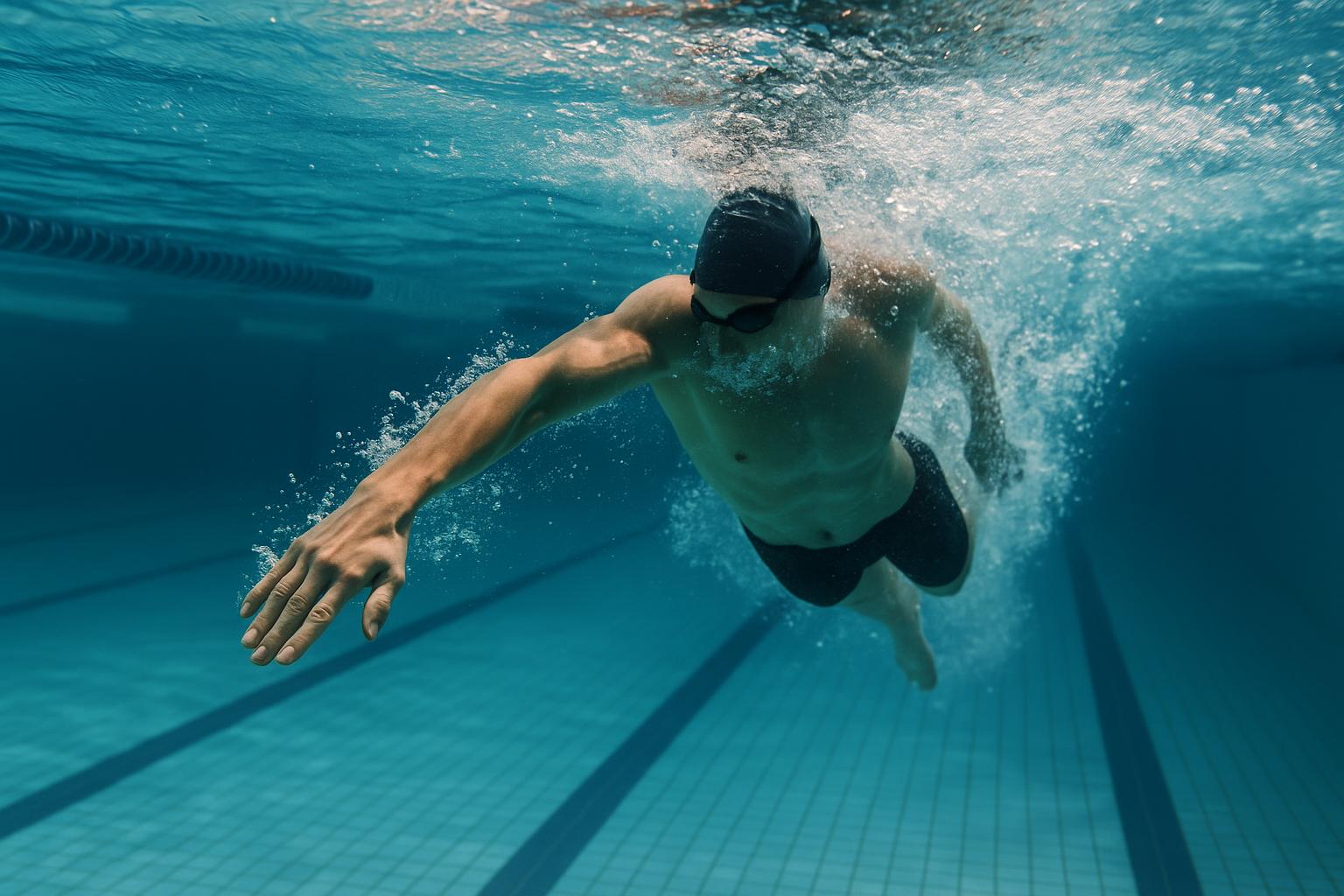
Swimming can remain an accessible form of physical activity across different stages of life. It is a low-impact, full-body exercise that engages major muscle groups while placing relatively little stress on bones and joints.
At the same time, swimming can become physically demanding as pace, distance, or workout intensity increases. Much of swimming’s low-impact appeal comes from buoyancy because water supports part of the body’s weight during exercise.
Water-based exercise can be particularly helpful for people with arthritis because it allows movement with less stress on painful joints. Aquatic therapy is also used in some rehabilitation programs, including recovery from surgery and management of chronic musculoskeletal pain.
These low-impact qualities can make swimming and other forms of aquatic exercise practical options for many older adults. Cardiovascular benefits are substantial as well. Swimming keeps the heart rate up throughout a session.
Because water offers more resistance than air, even mild movement can add up. Swimming’s calorie-burning potential goes up sharply with intensity.
Swimming places distinctive demands on breathing. Hydrostatic pressure from the surrounding water creates an external load on the chest, while swimmers also have to coordinate breathing with their strokes, increasing the work required from the respiratory system.
Regular swimmers may develop respiratory adaptations over time, but those changes vary with training and should not be attributed to water pressure alone. Water immersion also increases venous return, moving more blood toward the heart while the body is submerged.
Swimming also carries mental-health advantages tied to its sensory environment. The rhythmic nature of stroke and breath, combined with the sound and feel of moving through water, has a calming effect that other popular exercises may not have.
It also helps improve mood and reduces anxiety, helping relieve symptoms of depression. Part of swimming’s appeal is how easily it adapts to different goals and interests.
It doesn’t lock individuals into one rigid workout. The same pool that hosts competitive lap swimming can just as easily host water aerobics classes and water polo.
Open water swimming adds its own layer of variety. Snorkeling, for instance, lets swimmers combine the same basic skills with the very different reward of observing marine life just below the surface, while still counting as meaningful physical activity.
Few exercises demand the kind of simultaneous, multi-limb coordination that swimming does. A single stroke cycle requires a swimmer to synchronize pulling, kicking, and precisely timed breathing all at once.
Having the brain perform complex, simultaneous movements enhances dexterity and helps counter aging-related cognitive decline and mobility issues.
Despite these clear physical benefits, swimming carries a safety dimension that sets it apart from most other popular forms of exercise. A mistake in water can be fatal within minutes.
Drowning is the second leading cause of unintentional injury death for children ages five to 14, trailing only motor vehicle crashes. Practical safety habits matter as much as swimming ability itself.
The American Red Cross recommends everyone, regardless of skill level, swim only in areas supervised by a lifeguard. Since even strong swimmers can be caught off guard by cramps, currents, or sudden exhaustion, it’s advisable to always swim with someone, especially when swimming in open water.
Swimmers tend to stick with the habit longer than runners for several reasons. It’s fun, and with a broad range of water-based activities, it rarely feels like the same activity twice.
Without basic swimming competence and appropriate supervision, water can pose a serious hazard. That’s why health authorities tend to pair enthusiasm for swimming’s physical benefits with equally strong emphasis on lessons and supervision.
About Jayne P. Hammond
Jayne P. Hammond is a Fort Lauderdale, Florida-based entrepreneur and business executive with nearly 40 years of leadership experience at CSI International, Inc., which she co-founded and grew into a large, multi-state corporate organization. Before that, she spent almost two decades in facilities management with a major global corporation, and she began her career as a registered nurse at the Heart Center, assisting physicians who cared for cardiac patients. A graduate of UCLA with a nursing degree, Hammond enjoys fitness, boating, and needlepoint in her free time.