
La Wanda Moorer has served as Director of Human Resources at Lockheed Martin Aeronautics in Fort Worth, Texas, since 2018, after joining the company’s HR team in 1996 within its former Missiles and Space Operations division. La Wanda Moorer has held a range of HR leadership roles across Lockheed Martin, including HR business partner, senior manager, and director, and currently leads an HR business partner team supporting the company’s Advanced Development Program. She is a member of the State Bar of California, holding a law degree from Golden Gate University School of Law with a specialization in labor and employment law, along with an English degree from Santa Clara University. Her career has earned her recognition such as the company’s Evening of Excellence Award for Leadership. Outside her HR work, Moorer maintains an interest in cultural traditions, including the culinary heritage behind dishes associated with soul food, a cuisine whose enduring appeal reflects generations of African American history.
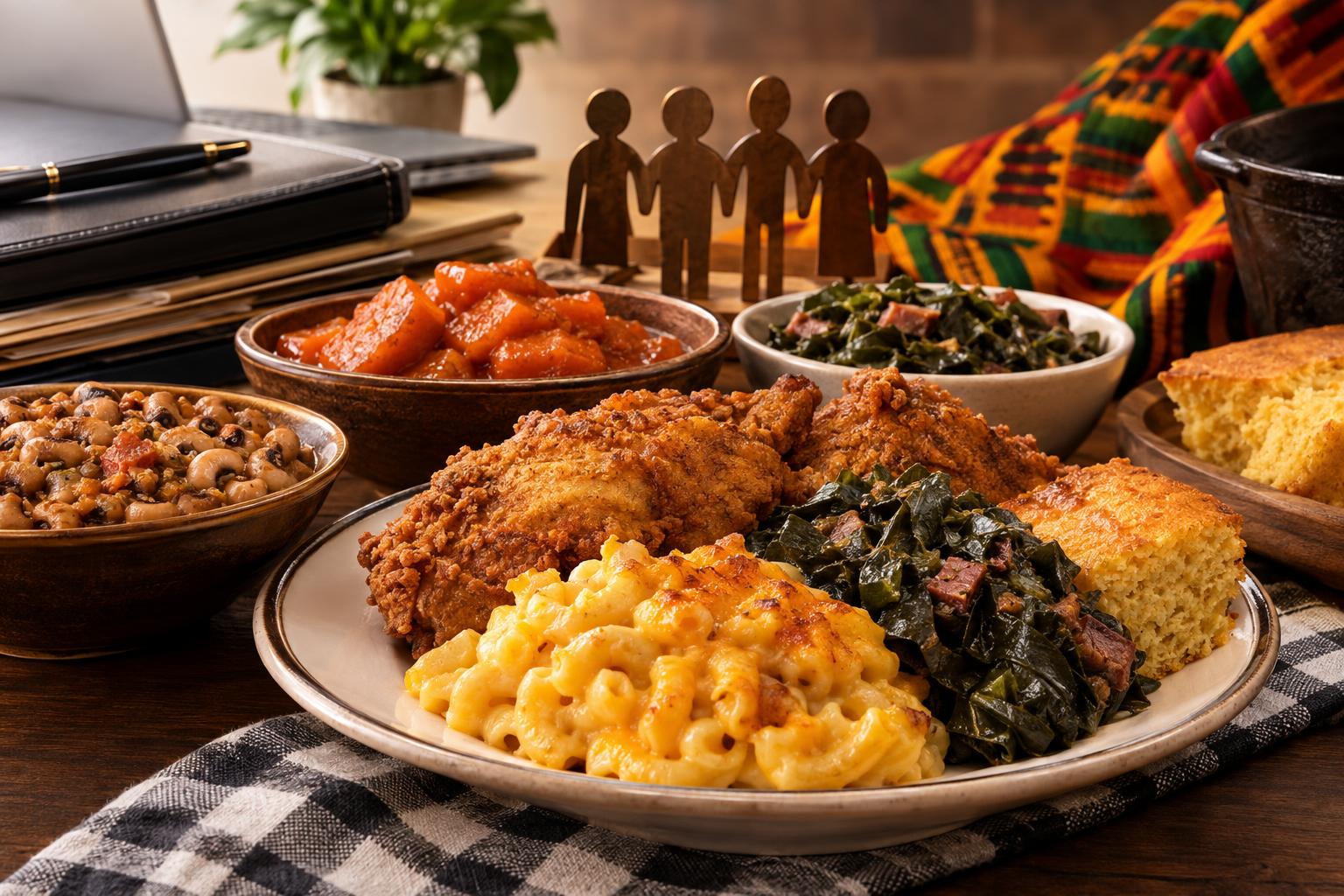
Few culinary traditions tell the story of a people quite as vividly as soul food. A pot of slow-cooked greens or a plate of fried chicken can evoke memories of family gatherings while reflecting generations of adaptation and cultural exchange. Across the United States, soul food remains an important expression of African American history, particularly in the South, where its ingredients and cooking techniques developed under difficult circumstances.
The tradition has roots in West and Central African foodways, Indigenous American ingredients, and European influences. During slavery, enslaved Africans were often given limited provisions and had to make use of whatever ingredients were available. They cultivated gardens, raised livestock when permitted, and developed resourceful ways to prepare less desirable cuts of meat.
Foods such as okra, black-eyed peas, and rice reflected African culinary knowledge, while corn and certain cooking methods drew on Indigenous traditions. Over time, these influences combined into a distinctive cuisine shaped by necessity, ingenuity, and cultural continuity.
The term “soul food” became widely associated with African American identity during the 1960s, when the Black Power movement encouraged greater recognition of Black cultural traditions. Although the dishes themselves were much older, the name helped establish a shared cultural identity around food that had long been passed down within families and communities.
Geography has played a significant role in shaping the cuisine. In the Lowcountry of South Carolina and Georgia, rice dishes such as Hoppin’ John reflect the region’s deep connections to West African agricultural and culinary traditions. Across the broader South, collard greens, cornbread, black-eyed peas, and slow-cooked meats became familiar staples, although preparation methods vary from household to household. Fried catfish has particular significance in parts of the Mississippi Delta, while barbecue traditions differ considerably across Southern states.
The Great Migration of the 20th century carried these food traditions into northern and western cities. African American families brought recipes with them, adapting to new ingredients and surroundings while preserving familiar flavors. Restaurants became important gathering places, introducing soul food to broader audiences. In the 1960s, the cuisine gained additional cultural significance as Black Americans embraced food as an expression of heritage and identity.
Its appeal has endured partly because of the way it brings people together. Holiday meals, Sunday dinners, church gatherings, and family reunions often revolve around dishes prepared in quantities meant for sharing. Recipes are frequently passed down through observation rather than written measurements. A grandmother’s approach to seasoning greens or preparing cornbread may become a treasured family tradition, preserved through repeated cooking and shared meals.
Contemporary chefs have also helped expand the conversation around soul food. Figures such as Leah Chase and Edna Lewis brought greater recognition to African American culinary traditions, demonstrating their sophistication and regional diversity. Today’s cooks continue to reinterpret familiar dishes, incorporating seasonal produce, lighter preparation methods, and contemporary influences while maintaining connections to the past.
Soul food also invites a more thoughtful understanding of American culinary history. Its development reflects hardship, creativity, and the preservation of cultural knowledge across generations. While individual recipes and ingredients differ, the tradition remains closely associated with hospitality and the pleasure of feeding others. That may explain why a familiar dish can feel meaningful even to someone encountering it for the first time.
Long after a meal has ended, the flavors and stories surrounding it can remain part of how families remember where they came from and how they belong to one another.
About La Wanda Moorer
La Wanda Moorer is Director of Human Resources at Lockheed Martin Aeronautics in Fort Worth, Texas, a role she has held since 2018 after nearly three decades with the company. She has served in HR leadership positions across several Lockheed Martin divisions, including HR business partner, senior manager, and director. A member of the State Bar of California, she holds a law degree from Golden Gate University School of Law and an English degree from Santa Clara University, and her honors include the company’s Evening of Excellence Award for Leadership.