
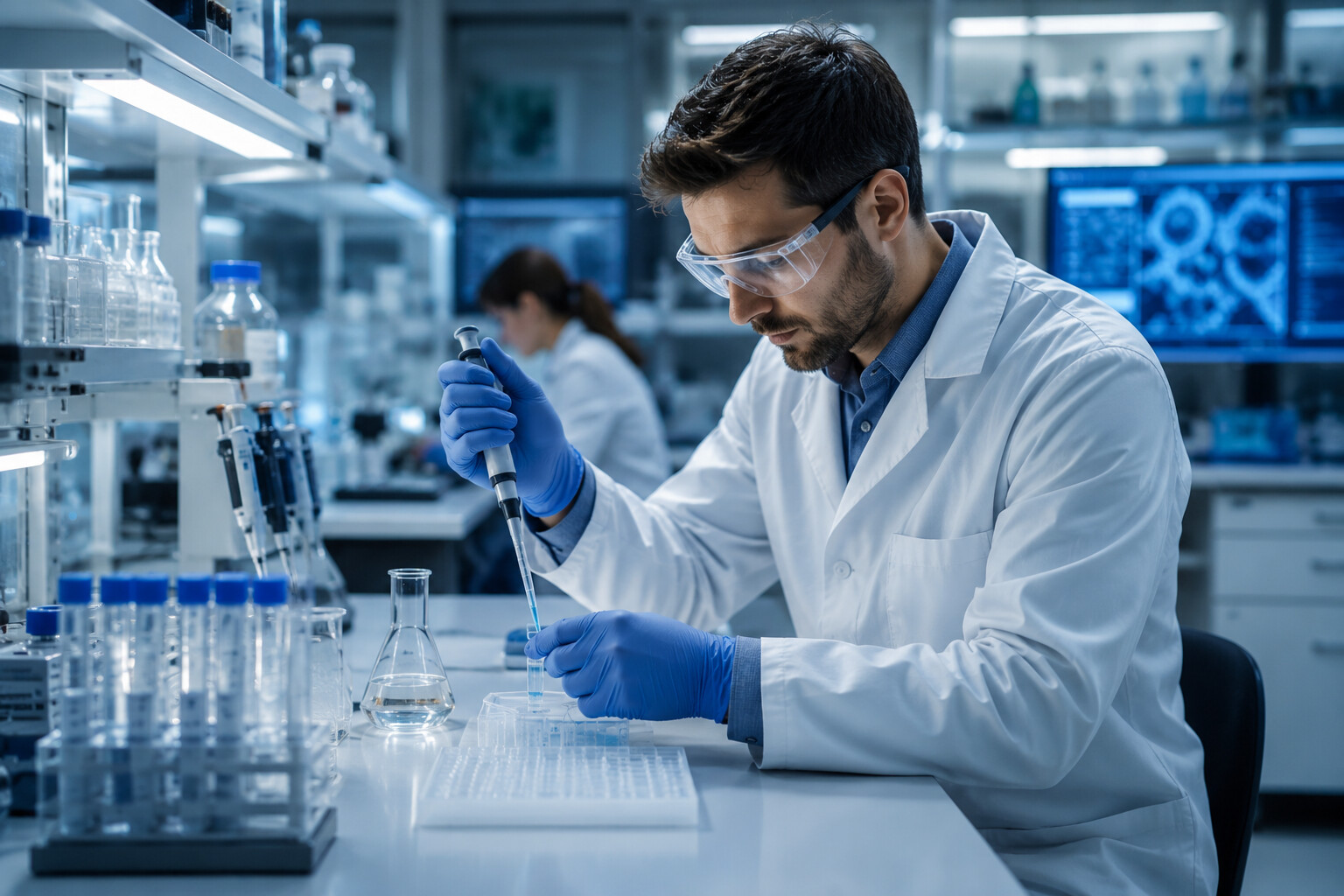
Sample preparation is often the most underestimated step in the research workflow, yet it determines the quality of every result that follows. Whether the goal is DNA/RNA extraction, protein isolation, or metabolite profiling, the process typically begins with breaking open cells or tissue to release their contents. This is where a dependable cell disruptor becomes essential to the integrity of downstream data.
Why Cell Disruption Method Matters
Not all cell disruptors are created equal, and the method chosen can significantly affect yield, purity, and reproducibility. Traditional approaches such as manual grinding or sonication can introduce inconsistency between samples, generate excess heat that degrades sensitive biomolecules, or require lengthy processing times that slow down throughput. For labs handling anything from soft tissues to tough plant material or bacterial cell walls, a one-size-fits-all approach rarely delivers consistent results.
Bead mill homogenizers have become a preferred solution for many research applications because they offer a controlled, mechanical method of disruption. By agitating samples with beads of varying sizes and materials at high speed, these instruments can be tailored to a wide range of sample types, from delicate mammalian cells to fibrous plant tissue and resistant spores.
What to Look for in a Cell Disruptor
Several factors should guide the selection of a cell disruptor for a given lab:
- Sample versatility: The instrument should accommodate different tube sizes, volumes, and bead types so that a single platform can serve multiple projects.
- Temperature control: Excessive heat generated during processing can compromise proteins and nucleic acids. Features that limit thermal buildup help preserve sample integrity.
- Throughput: Labs processing large batches benefit from multi-sample capacity, reducing the time spent on repetitive runs.
- Reproducibility: Consistent bead-to-sample motion is critical for generating comparable data across replicates and experiments.
- Ease of use: Simple programming and quick clean-up between runs reduce hands-on time and the risk of cross-contamination.
Applications Across Research Fields
Cell disruptors are used across a wide spectrum of disciplines, including microbiology, molecular biology, food science, and environmental testing. In microbiology, they are frequently used to lyse bacterial and fungal cells for nucleic acid extraction. In agricultural and plant science research, they support the disruption of tough plant material for genomic and proteomic analysis. Environmental and food safety laboratories rely on similar instruments to prepare samples for pathogen detection and contaminant analysis.
The Bottom Line
Selecting the right cell disruptor is not just a matter of convenience; it directly impacts the reliability of experimental outcomes. A well-designed bead mill homogenizer offers the flexibility, control, and reproducibility that modern research demands, making it a foundational tool for any lab focused on generating high-quality, publishable data.
For labs evaluating their sample preparation workflow, taking the time to match the disruption method to the sample type can save significant time and resources while improving the consistency of results.