Daniel Torres Jr. is a professional whose background spans public speaking, mentoring, business consulting, law enforcement, and construction project management. Based in Omaha, he has worked across public and private sectors, helping individuals, organizations, and communities through leadership and service. His experience includes project management roles with ServPro of SooLand and Taylor Investments, where he has applied knowledge of construction operations, risk management, and project execution. In addition to his management experience, he has spent many years delivering presentations, mentoring youth, coaching athletic programs, and supporting community-focused initiatives. This combination of leadership, operational oversight, and project management experience provides relevant perspective on the processes and practices involved in monitoring and controlling construction project budgets.
Best Practices to Monitor and Control Construction Project Budgets
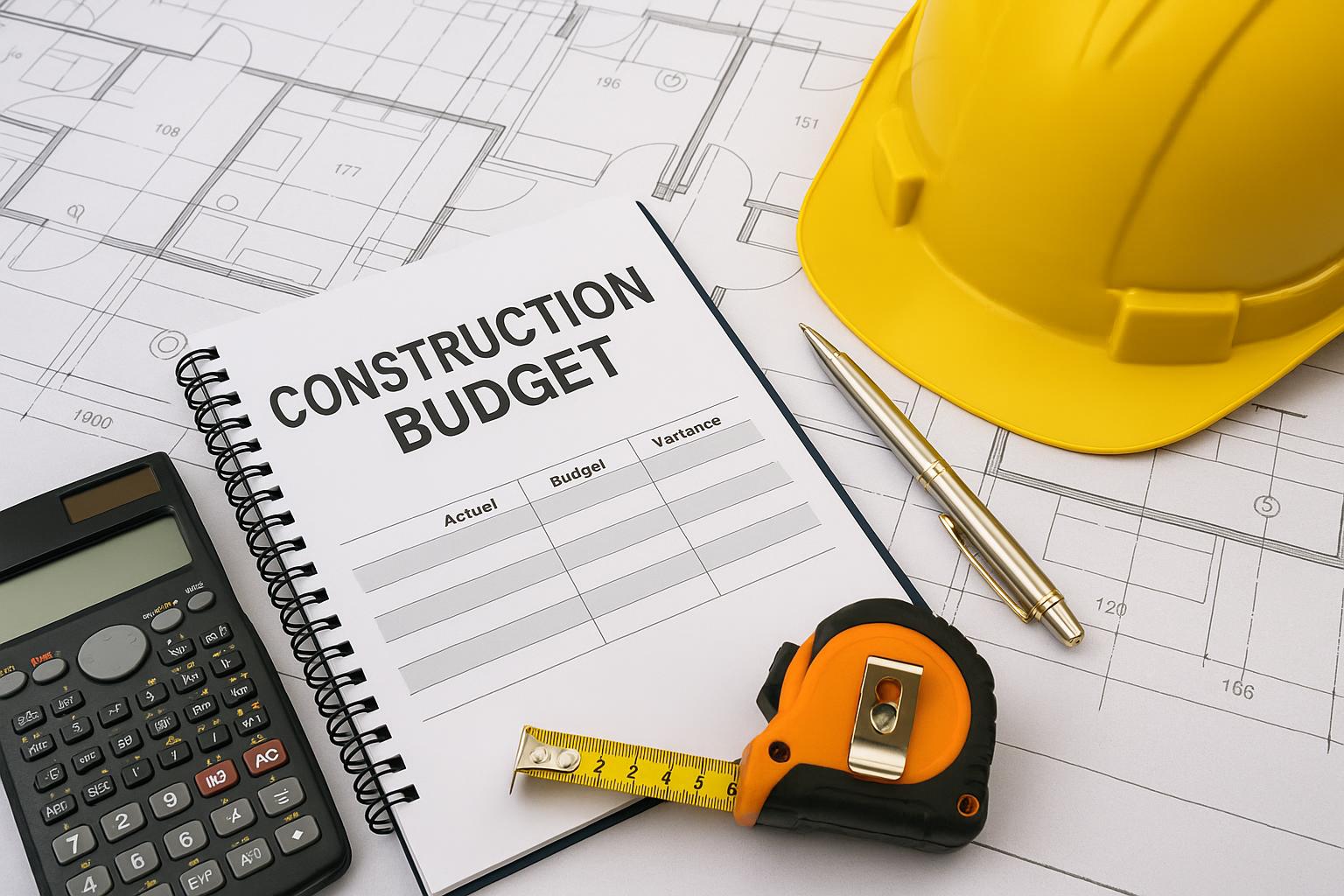
Effective budget management is central to successful construction project delivery. Without disciplined monitoring and control, even well-planned projects can quickly lead to cost overruns, delays, and disputes. These overruns are often driven by weak forecasting, inadequate control systems, and poor cost tracking.
A project cannot be effectively controlled without a clearly defined budget baseline. Construction project managers begin by developing detailed cost estimates covering labor, materials, equipment, overheads, and subcontractors. Breaking the project into a work breakdown structure (WBS) allows for accurate cost allocation. Using historical data and current market rates further improves estimate accuracy. Weak baselines often lead to constant revisions and unreliable tracking, while a well-defined budget ensures all costs are accounted for from the start.
It is also important to define a clear scope and clear boundaries. Project managers should clearly stipulate deliverables, quantities, specifications, and responsibilities. They should align the scope with cost codes and procurement plans while ensuring that all stakeholders agree before execution. A clearly defined scope can reduce ambiguity and prevent unexpected cost increases.
It is also important to implement robust cost tracking systems. Monitoring usually requires real-time visibility into the project’s financial performance. Project managers should track budgeted costs, committed costs, actual costs, and forecasted costs. They should track costs every day or every week and not monthly. It is also important to use cost codes across projects. They should also adopt Integrated or software systems, because they help to maintain a single source of truth.
Effective budget control requires continuous forecasting throughout the project lifecycle. Practices such as rolling forecasts and Estimate at Completion (EAC) allow project managers to adjust projections based on actual spending, remaining work, and identified risks. Instead of relying solely on the original budget, this approach provides a more accurate view of financial performance and helps teams detect potential issues early.
Closely tied to forecasting is the need for strict control over change orders. Uncontrolled changes are a common cause of budget overruns, so every adjustment to scope or cost must follow a disciplined process. This includes proper documentation, a clear analysis of cost impact, and formal approval before any work begins. It is also important to track approved changes separately from pending ones to maintain clarity. When teams enforce these controls consistently, they protect the integrity of the original budget and reduce the risk of unauthorized spending.
Labor and resource efficiency significantly influence project costs. Labor is often the most variable and expensive component, making productivity monitoring essential. Project managers should compare planned productivity rates with actual performance to identify inefficiencies early. Adjustments such as optimizing crew sizes, improving workflows, and maximizing equipment utilization can reduce unnecessary expenses and improve overall cost performance.
Finally, strong risk management, procurement alignment, and regular budget reviews bring all aspects of cost control together. Setting aside contingency funds helps absorb unexpected costs without disrupting the overall budget. At the same time, procurement activities should align with cash flow forecasts to avoid financial strain or sudden cost spikes. Regular budget reviews, supported by clear reporting on cost variance, cash flow, and forecast performance, ensure that all stakeholders remain informed.
About Daniel Torres Jr.
Daniel Torres Jr. is a professional with experience in public speaking, mentoring, business consulting, law enforcement, and project management. Based in Omaha, he has worked with organizations including R5 Productions, Value Up Productions, Strong Towers, LLC, ServPro of SooLand, and Taylor Investments. His background includes youth mentorship, community service, coaching, and construction-related project oversight across public and private sector environments.